
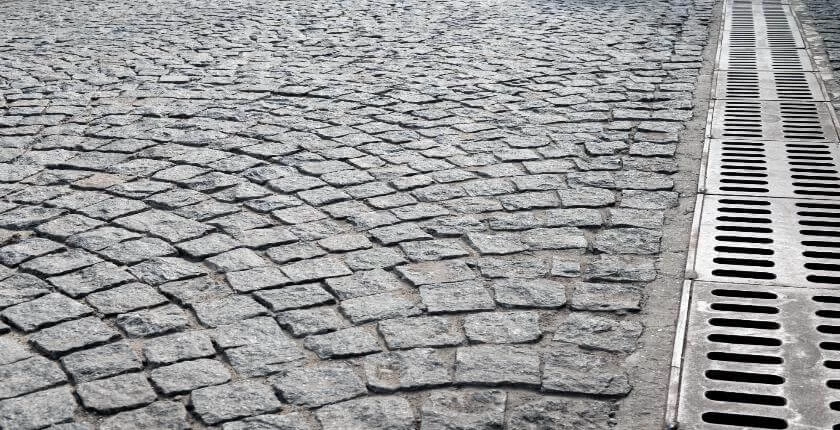
Driveway Drainage
Get in touchAt A1 Surfaces, we specialise in providing effective driveway drainage solutions. Our services ensure that water is efficiently channelled away, preventing potential water damage and maintaining the integrity of your driveway.
We use methods such as linear drains, French drains, and permeable paving adapted to your specific site conditions. Our solutions are suitable for residential properties and commercial premises, covering and the surrounding area.
Get in touch with us today to ensure your driveway remains safe and functional.
What Is Driveway Drainage?
Driveway drainage is a system designed to divert water away from driveways, preventing water accumulation and damage. At A1 Surfaces, we focus on installing drainage solutions that suit the specific environmental and material considerations of .
Our approach uses components like channel drains and permeable pavers, tailored to efficiently manage water runoff on driveways made of concrete, asphalt, or block paving.
We also implement trench drains, which are effective in areas with heavy rainfall, as they efficiently collect and channel water away using slotted tops. For properties where aesthetics are important, we recommend decorative grates, available in cast iron or stainless steel, which blend seamlessly with surrounding surfaces while maintaining drainage efficiency.
We ensure that all installations align with the Sustainable Drainage Systems (SuDS) guidelines, which are crucial for reducing flood risks and improving water quality. Proper drainage extends driveway lifespan and helps comply with local planning regulations.
What Types of Driveway Drainage Are Available?
At A1 Surfaces, we offer various types of driveway drainage systems, each tailored to different needs:
Linear Drains: These are suitable for areas expecting high water flow, capturing and diverting surface water effectively. Typically made from galvanised steel or polypropylene, linear drains comply with EN 1433 standards, ensuring efficient performance.
French Drains: Installed below the surface to redirect water, they are ideal for locations with heavy rainfall. Consisting of a trench filled with gravel or rock containing perforated pipes, French drains prevent water pooling and are effective for soil saturation issues.
Permeable Paving: This method allows water to percolate through the surface, reducing runoff and improving natural drainage. Comprising materials like porous asphalt or permeable block paving, it meets Sustainable Drainage Systems (SuDS) requirements to mitigate flooding risks.
Gravel Driveways: These offer natural drainage through their loose stone composition, preventing water buildup. The gravel layers provide high permeability, reducing surface water impact while complementing a rustic aesthetic.
Selecting the right drainage solution depends on individual site factors, such as soil type and rainfall levels. Let us help you choose the best option for your property.
What Surfaces Does Driveway Drainage Work On?
Driveway drainage solutions from A1 Surfaces are compatible with a variety of surfaces, ensuring efficient water management and prevention of water pooling. Commonly used on concrete, asphalt, and block-paved driveways, our systems are engineered to integrate seamlessly with each material's particular characteristics.
For instance, in concrete driveways, we use trench drains with steel grates to handle heavy rain, while permeable interlocking concrete pavers are recommended for eco-friendly water infiltration systems.
Driveway drainage can also be adapted for gravel surfaces. This involves installing a French drain system beneath the surface to manage runoff efficiently and prevent erosion.
Beyond residential properties, our drainage systems are suitable for commercial properties such as car parks and industrial sites that demand higher load-bearing capabilities and regulatory compliance with standards such as SUDS (Sustainable Urban Drainage Systems).
Ensure your driveway's longevity by getting a professional installation today.
When Is Driveway Drainage Needed?
Driveway drainage is essential when facing water pooling issues or when enhancing safety is a priority. Standing water can cause surface deterioration, leading to costly repairs over time.
It is particularly necessary during rainy seasons to prevent erosion and damage. Implementing a drainage system, such as French drains or channel drains, can effectively redirect water away from vulnerable areas.
Additionally, proper drainage mitigates ice formation during winter, which poses safety risks by making surfaces slippery and hazardous. For properties undergoing redesign or new driveway installations, it is crucial to incorporate drainage solutions from the outset.
Adhering to local building regulations and standards, such as the SuDS (Sustainable Drainage Systems), ensures compliance and effectiveness. Whether for residential homes or commercial properties, our expertise in assessing ground gradients and soil types allows us to create efficient drainage solutions.
Contact A1 Surfaces to address any drainage concerns with a customised approach.
How Does Driveway Drainage Work?
Driveway drainage works through a systematic collection and redirection of water to prevent pooling and surface damage. At A1 Surfaces, we meticulously manage this process to suit each unique driveway condition.
Here’s how we typically install it at A1 Surfaces:
Assessment: We evaluate the driveway for slope and water flow patterns, using laser levels to determine the optimal drainage path.
Planning: Our designs incorporate various systems such as linear drains, French drains, or permeable surfaces based on site-specific needs. We also consider incorporating eco-friendly materials like recycled aggregates.
Excavation: The ground is prepared using mini-excavators to ensure precise placement of drainage components.
Installation: We fit the drainage systems, using polypropylene channels for durability, ensuring water is channelled away efficiently to prevent erosion.
Integration: Finally, we restore the driveway surface, integrating the drainage system seamlessly with silicone-based sealants for a water-tight finish.
This thorough approach ensures your driveway remains functional and appealing. For a consultation, contact us today.
How Long Does Driveway Drainage Installation Take?
Installing a driveway drainage system typically takes between two to five days, depending on the driveway's size and complexity. The process begins with a thorough site assessment to gauge existing soil conditions and slope, which influences the choice of materials and methods.
We often use linear drains or channel drains made of galvanised steel or reinforced polymer for long-term performance, especially in high-traffic areas. Restoration of the surface following installation may take an additional day, during which we apply high-strength resurfacing compounds to repair and smooth the area.
We adhere to all relevant standards such as BS EN 1433 for drainage channel systems, ensuring optimal strength and water flow capacity. Once installation and surface restoration are complete, the driveway is ready for use, offering improved protection against water damage and erosion.
Who Needs Driveway Drainage?
Driveway drainage is essential for homeowners and commercial property managers experiencing water management issues. Excess water accumulation can lead to significant problems such as foundation damage, erosion, and slippery surfaces.
Our systems typically incorporate channel drains and French drains to efficiently redirect water away from structures. Ideal for residential properties prone to flooding, our solutions manage rainwater effectively by using materials like PVC or cast iron grates, ensuring long-lasting performance.
Businesses needing robust water management solutions can benefit from our installations that comply with drainage standards such as BS EN 1433. These standards ensure our systems can handle various loads and weather conditions, safeguarding both pedestrian and vehicular traffic.
Our drainage solutions are also ideal for any property undergoing renovation or new installations, addressing existing issues and preventing future complications.
Get in touch with A1 Surfaces to discuss your specific requirements for effective driveway drainage.
How Much Does Driveway Drainage Cost?
Driveway drainage typically costs between £50 to £150 per linear metre. This cost includes materials like channel piping, drainage grates, and installation labour.
We offer various drainage system options, including French drains, trench drains, and slot drains, each catering to specific water management challenges. The price varies based on the type of drainage system chosen, length of the drains needed, and any additional excavation or restoration work required.
We ensure all installations comply with local building regulations and industry standards, like the BS EN 1433 for drainage channels. A precise quotation is provided following a detailed assessment of your specific needs.
Our team evaluates factors such as soil permeability, slope of the driveway, and potential water flow to recommend the best solution. For assistance with your project, contact us today.
What Are the Benefits of Driveway Drainage?
Driveway drainage offers numerous advantages, especially:
Prevents Water Damage: Effective drainage systems like French drains and permeable paving help in redirecting water away from driveway surfaces, preventing erosion and structural weakening. This can be crucial during heavy rainfalls, which are common in the region.
Safety: By minimising ice formation and reducing slipping hazards during winter, drainage systems such as trench drains contribute significantly to safety. They help to ensure driveways are less prone to the freeze-thaw cycles that can exacerbate surface damage and lead to accidents.
Environmental Compliance: Our solutions adhere to local planning regulations on drainage and water management. This compliance is essential for obtaining planning permission and avoiding potential penalties from local authorities.
Property Value: Enhanced drainage systems not only improve the aesthetic appeal of a property but also extend the lifespan of driveway materials like concrete, asphalt, or gravel, which can contribute to an increase in property value over time.
Investing in effective driveway drainage is a proactive step towards maintaining a safe and attractive property. Contact us to discuss your options.
What Regulations Apply to Driveway Drainage?
Driveway drainage in the UK must comply with local council regulations, such as those outlined by planning authorities regarding surface water management. These regulations are often based on the Sustainable Urban Drainage Systems (SuDS) standards, which aim to reduce the risk of flooding and improve water quality by promoting the use of permeable materials like gravel, permeable asphalt, or concrete block paving.
You may need planning permission if you intend to install impermeable surfaces that exceed five square metres.
At A1 Surfaces, we ensure all installations adhere to the latest guidelines and facilitate any necessary approvals. We also consult with engineers to design efficient drainage solutions that comply with British Standards, particularly BS 8582:2013, which governs surface water management for development sites.
Our team stays informed about changes in legislation to provide compliant and functional drainage systems tailored to your property's requirements. Contact us to discuss your project needs.
Why Choose A1 Surfaces for Driveway Drainage?
Choosing A1 Surfaces for your driveway drainage needs ensures professional and tailored solutions. Our experienced team assesses each project comprehensively, evaluating soil composition, surface gradient, and local weather patterns to determine the most effective strategy.
We offer innovative drainage techniques such as French drains, which efficiently redirect water away from surfaces, and permeable paving that allows water to seep through, reducing runoff.
We employ advanced tools like laser levels to ensure precise installation, adhering to the latest industry standards such as BS EN 752 for drainage and sewer systems. Our materials include durable options like polypropylene and galvanised steel for grating, which are resistant to corrosion.
By enhancing water management, our systems also help to prevent issues such as erosion and flooding.
Trust A1 Surfaces to provide reliable and efficient service every time.
Driveway Drainage: Frequently Asked Questions
How much does driveway drainage cost?
Driveway drainage costs around £50 to £150 per linear metre. Exact pricing depends on the system type and length required.
How long does driveway drainage last?
Properly installed drainage systems can last up to 20 years or more, depending on maintenance and environmental conditions.
Can driveway drainage handle heavy rain?
Yes, systems designed by A1 Surfaces are built to handle heavy rainfall, protecting your driveway from water accumulation.
Does driveway drainage require maintenance?
Periodic inspections and cleaning of grates are recommended to prevent clogs, ensuring long-term effectiveness.
Is planning permission needed for driveway drainage?
In , planning permission may be required if installing impermeable surfaces, adhering to local regulations.
Get a Free Quote for Driveway Drainage
For professional driveway drainage solutions, contact A1 Surfaces today.
Related Driveway Drainage Services
Driveway drainage is closely connected with permeable surfacing, resin installation and the wider management of surface water.
For a surface designed with permeability in mind, explore permeable resin driveways and SuDS.
For a new aggregate driveway, consider resin bound driveway installation.
Where an existing concrete or tarmac base is being retained, see resin surfacing over concrete and tarmac.
For wider driveway restoration requirements, explore driveway resurfacing and repair work.
Commercial properties can also consider car park and forecourt surfacing when planning larger hardstanding areas.
For wider business applications, see our commercial resin surfacing service.